
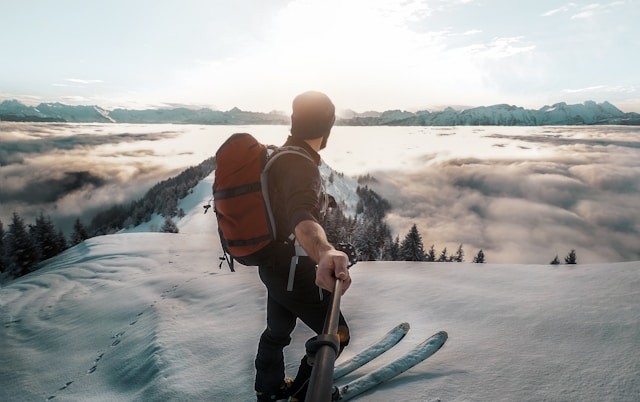
When the snow changes, first review your speed, line and choice of terrain. Then work with your instructor on any adjustments you need to make. Use the snow report as a guide and adapt your stance to what you find on the piste.
The same run can feel different in the morning and afternoon. Our guide to types of snow explains how to recognise different surfaces. Here the focus is on what to change when your usual approach stops working.
Describe what happens before deciding why
Tell your instructor if your skis slide sideways or one ski catches. Those details are more useful than saying the snow is impossible. A private ski technique lesson gives you a chance to explore what happens on terrain suited to your ability.
| Surface | What to assess |
|---|---|
| Hard snow | Edge grip and room to stop |
| Piled-up soft snow | Consistency of pressure on the skis and your line |
| Mixed snow | Looking ahead and making gradual movements |
| Wet snow | How the skis respond and how tired you feel |
Use gradual movements on hard snow
Sudden movements or a steeper slope can make it harder to stay in control. Practise edge control and pressure with precision on suitable terrain. If you can’t control your speed, change your route or ask for help. Tell the workshop what you noticed if you think your equipment needs checking.
Give yourself room to move in soft snow
Stay mobile and avoid forcing your weight back to lift the tips or pressing the skis together. If you become tense and lose coordination, simplify the exercise before trying another run.
A day with an instructor can give you time to observe and practise. Build breaks into the day.
Off-piste skiing requires a separate assessment
You can also find powder in open areas. Before going off-piste, assess the terrain, your preparation and the risks separately. Evaluate the route even if there are tracks to follow.
The CSIA technical framework connects pressure and equipment response with snow and terrain. Use those factors to decide what to adjust in each situation.
Frequently asked questions
Should I lean back in soft snow?
Avoid forcing your weight back, as this can make control harder. Adjust to how you’re moving and the terrain.
Will changing skis solve the problem?
Equipment plays a part. Also consider your technique and whether the terrain suits your ability.
Why is a piste harder in the afternoon?
Snow surface, skier traffic or fatigue may have changed. Consider each factor before deciding what caused the difference.