
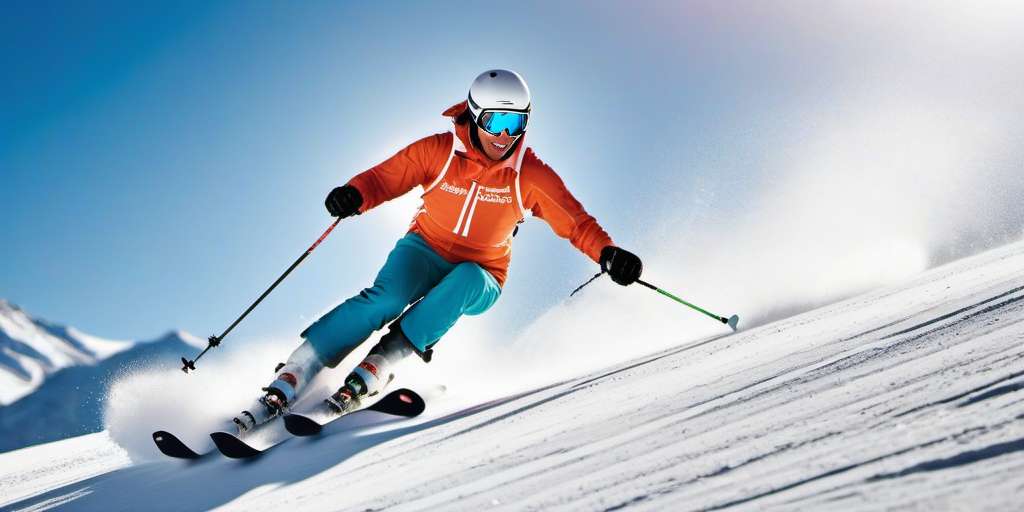
Skiing especially engages the quadriceps, glutes, hamstrings and other muscles in the hips and legs, along with the muscles that stabilise the trunk. These muscle groups work together to help you balance and control your skis. Skiing involves more than the legs, and a few days on snow cannot guarantee improved muscle tone.
Tired thighs may feel familiar after a ski trip. Consider how much effort you put in and whether your technique or the way you plan the day is making you use more tension than you need.
Muscle groups and what to keep in mind
| Area | General role | What to avoid assuming |
|---|---|---|
| Legs and hips | Work together to control the skis | That greater fatigue indicates better technique |
| Trunk | Helps maintain stability | That skiing replaces all targeted training |
| Arms | Help with balance and handling equipment | That you should keep them tense throughout a run |
The legs do much of the work
The US Ski and Snowboard resource on muscles used in alpine skiing highlights the hips, thighs, legs and feet. The quadriceps, hamstrings, glutes, adductors and calf muscles all contribute.
These groups work together as you move and shift pressure between your skis. The effort varies with how you ski, the terrain and how long you are active.
The trunk and arms also contribute
The trunk muscles help you stay stable while your legs adapt to the movement. Your arms help you balance and use your poles. Keep your grip and shoulders relaxed where possible during a run.
For general preparation, the REI guide to getting ready for skiing, developed with a physical therapist, combines lower-body strength, balance, mobility and endurance. Adapt your preparation to your own circumstances and consider your starting point before trying demanding exercises.
Why your legs can feel so tired
Physical effort is part of the explanation. Consider whether you ski stiffly, choose slopes where you have to brake constantly or keep skiing after you can no longer maintain control.
In ski lessons to review your technique, tell the instructor when you get tired and which movements you find difficult. The instructor can observe how you ski on the slopes. A healthcare professional can assess whether pain has a medical cause.
How to prepare for the trip without making it a fitness test
- Stay active and allow time to prepare at a level that suits your fitness.
- Include strength and balance work, and seek professional guidance if you are unsure where to start.
- On the first day, adjust the duration and difficulty to how you feel.
- Allow time for breaks, food, water and recovery.
If you are travelling with family, fitness and pace can vary even among people with similar skiing ability. Ask about planning your day through the Exclusive Family service and explain those differences when you enquire.
Fatigue, pain and decisions on the slopes
Feeling exertion can be normal, and pain can have causes other than ordinary muscle soreness. If you experience pain, have trouble moving or feel that something is wrong, stop skiing and seek medical assessment as appropriate.
A day can be worthwhile without ending in exhaustion. Staying in control and recovering for the next day matters more than squeezing in one last run out of obligation.
Frequently asked questions
Does feeling my quadriceps working hard mean I skied well?
That feeling alone cannot tell you. If you get tired, consider your technique, the terrain and how long you have been skiing.
Does skiing replace a fitness programme tailored to me?
Consider your preparation and your time on snow separately, as they serve different needs.
Is all pain after skiing just muscle soreness?
No. If pain limits your movement or something feels wrong, stop skiing and seek medical assessment as appropriate.