
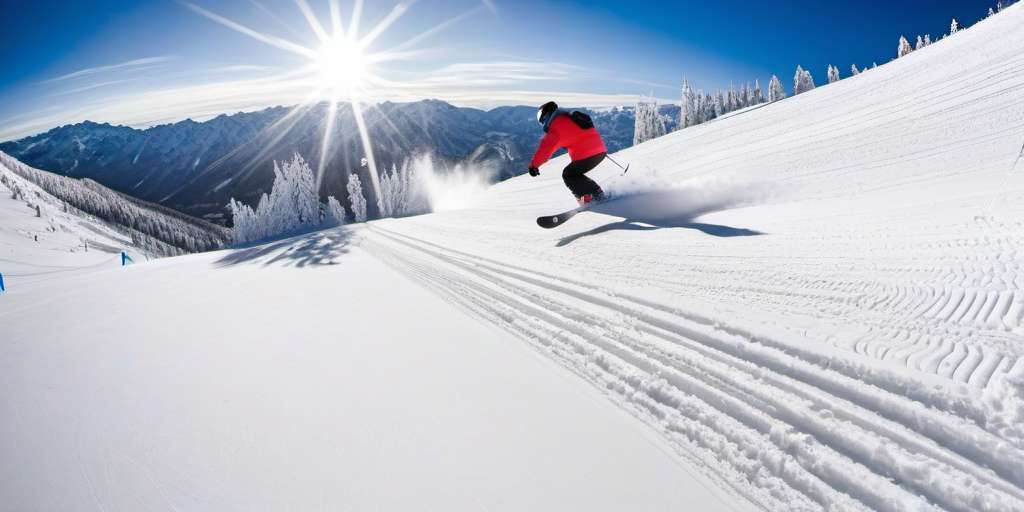
Skiing and snowboarding present different challenges at first, and which feels easier varies from person to person. On skis your feet move separately. On a Snowboard you stand sideways and control the edges differently. Motivation, equipment, instruction and terrain all affect your progress.
If you only have a few days, choose the sport you want to learn and plan your first lessons. Switching because someone else got down a run sooner can mean starting over before you have given yourself enough time to learn.
Comparing the first steps
| Aspect | Skiing | Snowboarding |
|---|---|---|
| Stance | One ski on each foot, facing forwards | Both feet on one board, standing sideways |
| First skills | Balance, gliding and controlling speed | Balance, edge control and stopping |
| Getting around | Learn to manage two skis | Learn to move with one foot strapped in when needed |
| Progression | Moves at the pace of your developing control | Moves at the pace of your developing control |
The table compares the skills you start with. It cannot predict whether you will progress faster on skis or find snowboarding easier after the first stage.
Is skiing easier at first?
Facing forwards and moving your feet independently may feel familiar. Coordinating two skis can also take practice. Even if the stance feels comfortable at first, you still need to learn to stop, turn and use lifts independently.
In snowboarding, the sideways stance and edge control are new to many people. Skateboarding or surfing experience may make some movements feel familiar. You still need to learn on snow and check that your equipment suits you.
How to choose without putting pressure on your holiday
- Consider what interests you as well as what your group does.
- Say whether you are a complete beginner and whether you have recent experience on snow.
- Book equipment that fits and is designed for your chosen sport.
- Allow time to practise the basics before aiming for a particular run.
If you choose skis, see our ski lessons in Baqueira. If you prefer a board, see our snowboard lessons. Tell the school which sport you want to learn when you enquire.
What if one of the two feels more intimidating?
Explain what worries you, whether it is speed, falling, having both feet strapped in or using a lift. That information helps your instructor plan the lesson. Both sports involve some risk.
To compare injury patterns, see our article on skiing and snowboarding risks. This guide focuses on learning. If a previous injury affects your activity, speak to a healthcare professional familiar with your case.
What is a good first goal?
Learning how your equipment works and gaining control on suitable terrain are signs of progress. Ask your instructor what to practise and what you should be able to do before moving to different terrain. How much control you had on a run matters more than its colour.
Frequently asked questions
Do you learn snowboarding faster after the first few days?
There is no guaranteed pace. Progress depends on the person, practice, instruction and conditions. Getting past an initial difficulty does not guarantee faster progress later.
Can I try skiing and snowboarding on the same trip?
Yes, if you arrange equipment and instruction for each sport. Allow time to learn the different fundamentals when you switch.
Does knowing how to skate mean I can already snowboard?
No. Some movements may feel familiar, but controlling a board on snow takes specific practice.
How many days do I need to know which one I like?
There is no set amount of time. Give yourself time to get used to the basics and see how interested you are in the activity. Discuss any difficulties with your instructor before deciding.