
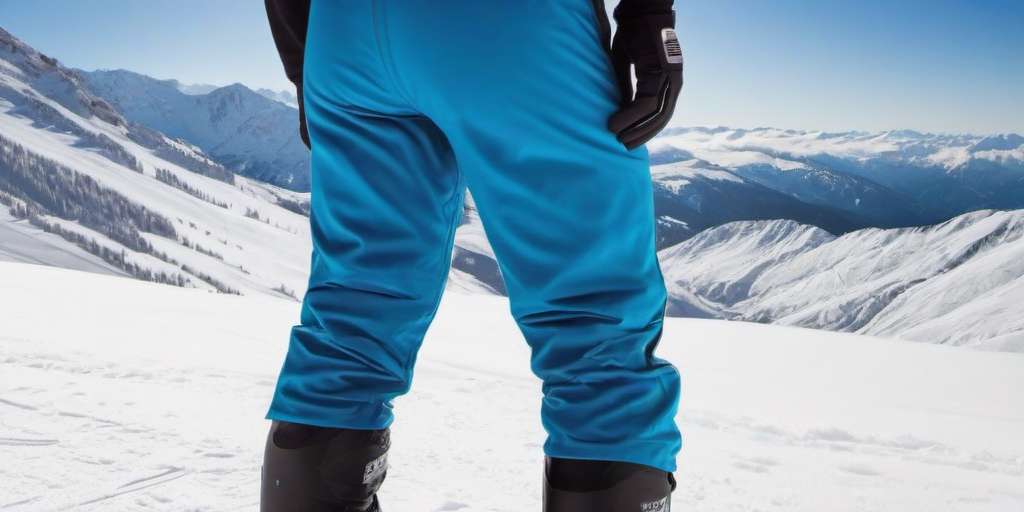
People usually wear a technical base layer under ski trousers, such as synthetic or merino wool thermal leggings. Choose the thickness according to the temperature, how active you will be and how much insulation the trousers provide. The thickest option or several pairs of trousers may add more bulk than you need.
Try the full outfit on with boots and socks before travelling. Flex your knees and notice any bunching, pressure or tightness while you still have time to adjust the outfit at home.
What each layer does
| Garment | Purpose | What to check |
|---|---|---|
| Underwear | Comfort and moisture management next to the skin | Seams, fit and fabric |
| Leggings or base layer | Manage sweat and provide warmth according to thickness | Freedom of movement and no bunching |
| Ski trousers | Outer protection, with insulation depending on the model | Waterproofing, ventilation and room underneath |
| Extra insulation if needed | Adds warmth when conditions call for it | Fits without compressing or restricting movement |
The REI guide to layering explains the roles of moisture management, insulation and outer protection. Use those functions to choose what to wear for the day.
Synthetic or merino: compare the actual garments
Both are used for base layers in cold-weather activities. Synthetics usually dry quickly, and merino wool is another common option. Check the garment’s composition, thickness, feel and washing instructions. Garments sold as thermals can perform differently.
Cotton holds moisture and dries slowly, which makes it a poor base layer for a day on snow. Thick sweatpants under ski trousers can add bulk without managing moisture well.
Insulated or uninsulated ski trousers
Insulated trousers already provide warmth. With an uninsulated shell, pay closer attention to what you wear underneath. Check the manufacturer’s specifications and adjust your layers to the forecast and how you respond to cold.
An outfit that works on a very cold morning may be too warm on a mild day when you are active. Use the garment vents as directed and adjust your plan if you feel uncomfortable.
Pay attention to the fit around your boots
Avoid bunching fabric or seams inside your boots. Leggings of a suitable length can help keep the base layer and socks from building up. Check the fit with everything on. Tightening the buckles can make pressure worse.
For the rest of your clothing, see our ski packing list. This guide focuses on what goes under your ski trousers.
If you are starting out or getting your children ready
During beginner lessons in Baqueira, you need to be able to move and flex comfortably. If any equipment feels uncomfortable, speak up before continuing, even on your first day.
Check each child’s clothes and bring a spare set. Before children’s lessons, make sure trousers, layers and boots allow free movement. Buying a size large enough to last several winters can cause bunching and make it harder to get a good fit.
Frequently asked questions
Can I wear jeans under ski trousers?
Jeans are a poor base layer for skiing because the seams and fabric add bulk and generally manage moisture poorly. Choose a technical layer that fits with the rest of your clothing.
Do I always need thick thermal leggings?
No. Thickness depends on how insulated your ski trousers are, your activity and the conditions. Try the layers on together before travelling.
Should I tuck my leggings into my ski boots?
Avoid folds and seams that create pressure inside the boot cuff. Choose a length and fit that work with your socks and boots, and check them together when trying on the equipment.
Are two thin layers always better than one thick layer?
There is no universal rule. Consider the purpose of each garment, the room available, freedom of movement and how well the layers manage moisture.