
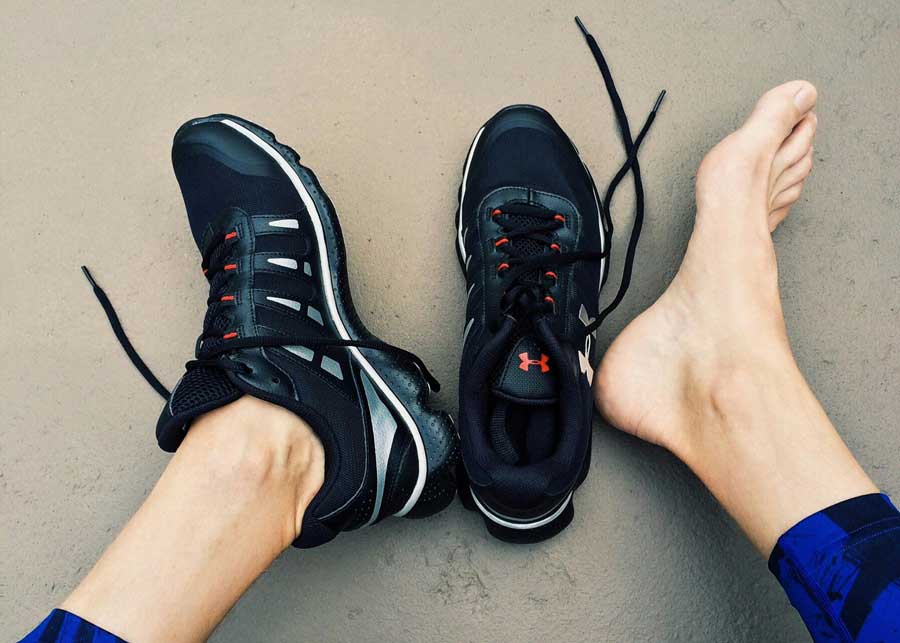
To reduce rubbing while skiing, check how your boots fit, smooth out folds and keep your feet and socks in good condition. If a spot starts rubbing, stop and ask the shop to check it before it gets worse.
When buying or renting boots, take first-day pain seriously. Before loosening everything, find out where your foot moves or where you feel pressure.
Before putting on your boots
- Check for folds or objects inside the boot.
- Smooth out your sock and avoid bunching layers inside.
- Have the size checked rather than adding a second pair of socks.
- Tell the boot fitter about any previous rubbing.
For help choosing the boot itself, see our ski boot fitting guide. Here the focus is on rubbing.
| Sign | What to tell the shop |
|---|---|
| Heel movement | When it moves and whether it rubs |
| Pressure in one spot | Exactly where it is and when it starts |
| Dampness | How wet the sock and liner are |
| Damaged skin | What’s rubbing and whether the skin needs care |
If it starts to hurt on the piste
Stop before doing another run. If you’re in a private ski lesson, tell your instructor and arrange a boot check. Check the boot fit before trying to resolve the problem with a change in technique.
Leave cutting, heating and padding adjustments to the shop. The fitter can assess size, shape and fit. If the problem persists, you may need different equipment.
If you already have a blister
The NHS advises against bursting a blister yourself. Keep it clean and protect it with a suitable dressing. Avoid the footwear or equipment that caused it until it heals. A pharmacist can advise on suitable protection.
Seek medical advice if you notice pus, warmth, significant pain or other signs of infection, or if a health condition makes foot care difficult.
Ask children how their boots feel
Before children’s ski lessons, ask children to say if anything feels uncomfortable. A child may say they want to stop without being able to point out where the boot rubs. Check with the instructor and equipment provider before assuming the child has lost interest.
Frequently asked questions
Do two pairs of socks prevent blisters?
Have the shop check the size and fit if the boots rub. Extra socks won’t correct a poor fit.
Should I burst a blister so I can keep skiing?
No. The NHS advises leaving it intact and avoiding the equipment that caused it while it heals.
Is pain a normal part of breaking in ski boots?
Take pain seriously and have the fit checked before you continue.
Can I use a cream instead of checking the boot fit?
Protecting the skin can help, and checking the fit addresses what may be causing the rubbing.