
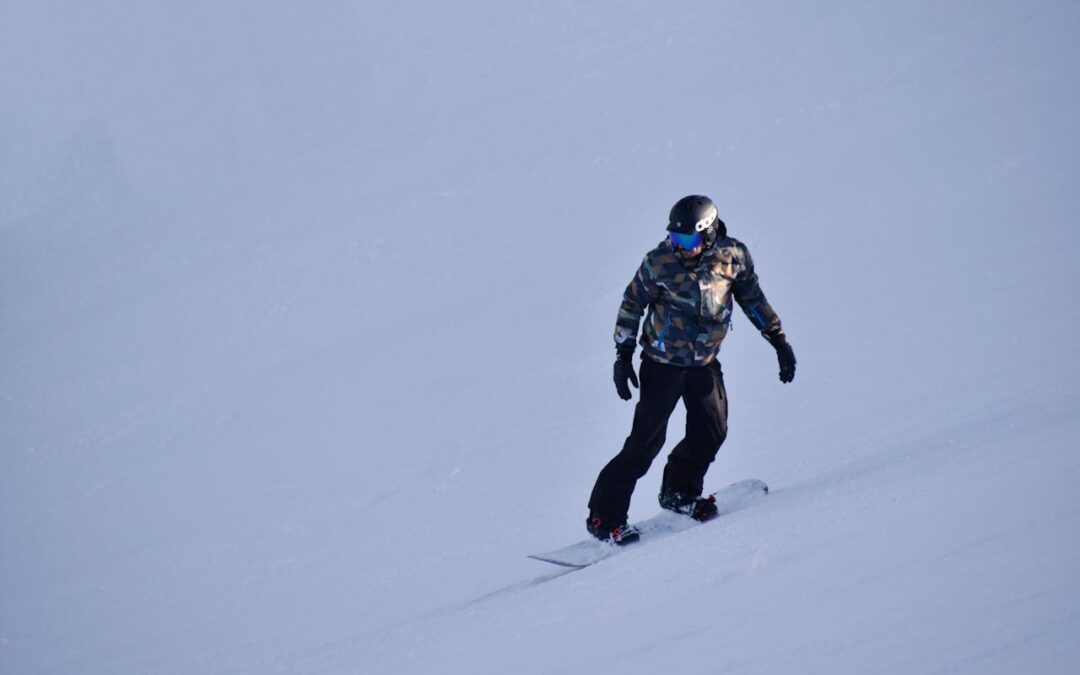
To link turns more smoothly, work on how you finish one turn and prepare for the next while keeping to a speed you choose. Keep your speed under control and pause when you need to.
You may be able to turn in both directions and still get stuck between turns. Pay attention to that transition before trying to apply more force or make a bigger shoulder movement.
Observe what happens between turns
In a private ski technique lesson, explain whether you end up braking suddenly, falling back over your skis or starting the next turn late. The instructor can watch what happens and choose a suitable exercise.
| What you notice | What to observe |
|---|---|
| Each turn starts with a jerk | How you transfer pressure between skis |
| You pick up speed unintentionally | The shape and finish of each turn |
| Your rhythm breaks on one side | Differences between turns in each direction |
| You become stiff | The difficulty of the exercise and how tense you feel |
Work on one change at a time
Give your legs room to move so you can coordinate direction and pressure. Bringing your feet together, pushing your upper body forward or planting the pole harder may help in some situations. Choose one adjustment with your instructor and see what changes.
The PSIA-AASI article on foot-to-foot movement in turn transitions explains how the movement can vary depending on what you want the turn to do.
Try a short series on familiar terrain
- Agree on the turn size and the aim of the exercise.
- Choose a suitable section and leave space for other people.
- Repeat at your own speed, leaving room for the skier ahead.
- Stop and check whether the result matches what you were aiming for.
If you need more time to observe and apply feedback, consider a day with an instructor. Adapt the session to how you feel and allow time for breaks.
Linking skidded turns smoothly
You can control a skidded turn and link it smoothly to the next one. Our guide to types of ski turns explains the terms. Choose the turn that suits the terrain and conditions.
If the snow, visibility or traffic changes, simplify the exercise or adjust your pace. Keep enough space for others to pass, even if it means ending a good sequence early.
Frequently asked questions
Do I need to ski faster to link turns more smoothly?
No. Choose a speed you can control.
Do smooth turns have to be carved?
No. You can link skidded turns in control too.
Is a pause between turns always a mistake?
It depends on the exercise and the situation. Ask your instructor to watch what happens.