
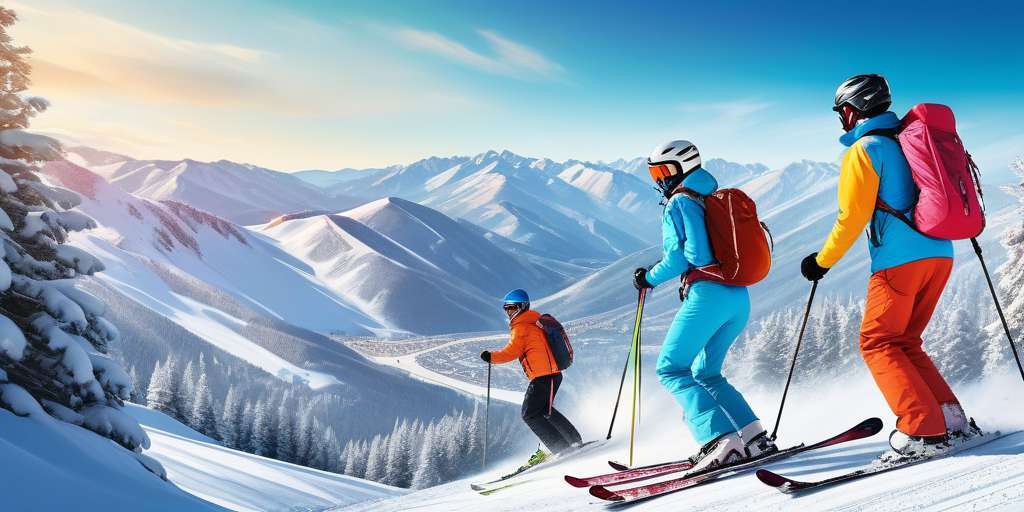
Skiing can give children a chance to be active, practise balance and coordination, and learn something new outdoors. The experience depends on choosing instruction, equipment and lesson length that suit the child. Booking a lesson cannot guarantee better school performance, confidence or wellbeing.
A good first day can end without a long run. Feeling comfortable, knowing how to ask for help and wanting to come back all count.
What to look for in a child’s skiing experience
| Aspect | Positive sign | What to avoid |
|---|---|---|
| Learning | Understands an exercise and asks for help | Comparing the child with others |
| Pace | Can take part with suitable breaks | Expecting them to ski for as long as an adult |
| Willingness | Can say how they feel | Promising that one lesson will resolve every fear |
Moving and focusing on a new task
Learning to handle skis takes coordination and attention to instructions. It can appeal to children who like to move and try new things, provided the exercises progress at a suitable pace.
The WHO outlines general benefits of regular physical activity in childhood. Those findings concern regular physical activity. They cannot establish that a ski holiday will deliver all those benefits or that skiing is a healthcare intervention.
Learning at their own pace
A new task can give a child a chance to practise patience, ask for an explanation or recognise a small improvement. Choose a goal they can understand and an exercise they can manage.
Avoid saying that other children are already skiing a particular run or that they have to make use of every minute. If they become frustrated, help them understand what is happening and focus on their own experience.
See skiFamily’s ski lessons for children for how we organise learning by age and experience. Tell us if this is their first time on snow and how they usually respond to new activities.
Readiness varies by child
Age is one factor. Ask about the service requirements and explain the child’s independence, willingness and any needs that affect the activity.
Children can be ready at different ages, including before or after five. If health or developmental concerns affect how much effort they can manage, discuss them with an appropriate healthcare professional and tell the school what it needs to know.
Families can take different lessons on the same trip
Parents may like the idea of learning together, and family members may need different paces or terrain. Make time for rest and play outside lessons in areas where these activities are allowed.
If you want a family option, ask about Exclusive Family. Start with what each participant needs before deciding whether to share a lesson.
What makes the experience more comfortable
- Well-fitting boots, a correctly sized helmet and suitable eye protection.
- Clothing and gloves suited to snow.
- Time to eat, drink and rest.
- A clear meeting point with the instructor and a plan for pick-up.
- Room to say that something hurts, feels frightening or is unclear.
Skiing involves risk. Equipment and instruction help manage the activity, but falls and injuries can still happen.
What to ask after the lesson
Ask what they liked, what was difficult and whether they want to do it again. Ask the instructor what they worked on and what the next step might be. Give the child room to talk about more than the runs they skied.
If it encourages them to keep learning and moving, that is already something to value. Children can get different things out of the experience.
Frequently asked questions
Does skiing guarantee that a child will gain confidence?
No. How a child feels depends on the experience, the support they receive and whether the activity suits them.
What can count as progress on the first day?
Getting used to the equipment, understanding an exercise or feeling comfortable can all count. Consider what they learned regardless of the run they skied.
Should I book the same lessons for all my children?
Share each child’s age, experience and needs so the school can assess suitable lesson lengths and arrangements.