
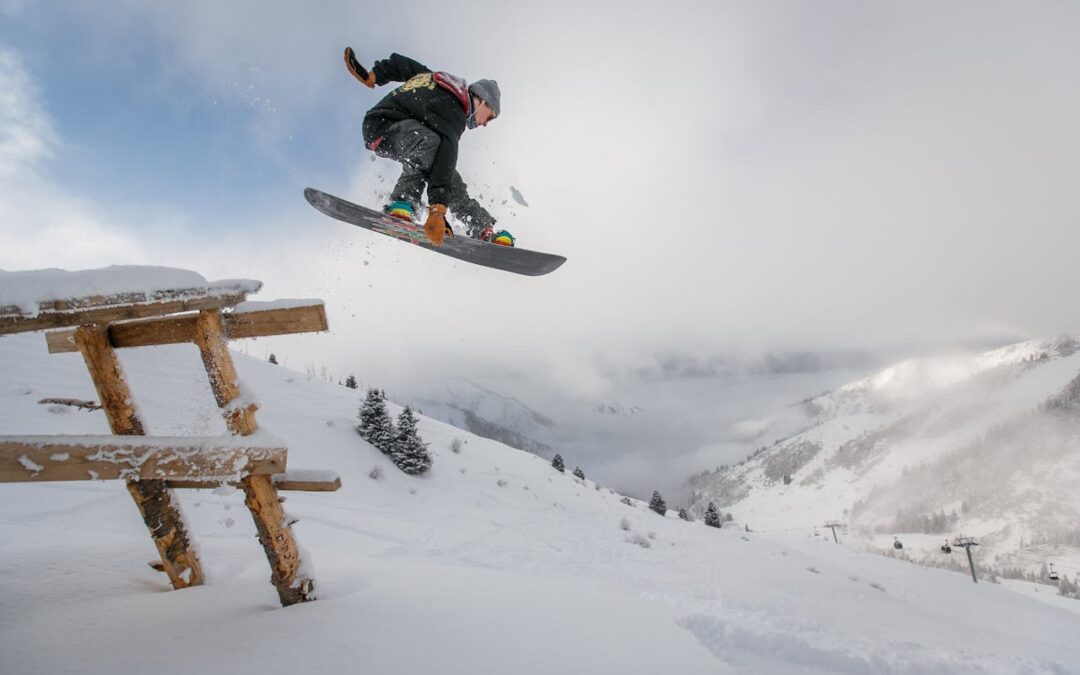
Before learning ski jumps, check that you have the right skills, an area where jumping is permitted and a progression suited to your level. Leave crests and piles of snow on open pistes alone.
Use this guide to decide how to prepare. Have your approach speed, the feature and the landing assessed on site before attempting a jump.
Look beyond the name of the feature
Before using a terrain park, read its rules and check which areas are open. The shape and condition of features can change. Choose an approach suited to your experience and equipment, even if you’ve seen someone else take the jump.
| Aspect | What to check |
|---|---|
| Skill level | Whether you have the skills the exercise requires |
| Area | Where jumping is permitted and which local rules apply |
| Feature | Its condition and where it fits in your progression |
| Instruction | Who will teach you and whether they have the relevant specialism |
| Next steps | What you’ll do if conditions or the exercise don’t suit you |
The FIS terrain park guidelines emphasise knowing your ability, inspecting the terrain and following local rules. Use them to prepare and assess each jump separately.
Build a foundation before trying jumps
If you still need to work on turning and stopping, see alpine ski lessons in Baqueira. If you want freestyle instruction, ask explicitly whether it’s available before booking.
Being comfortable on a piste tells you how you ski on that terrain. Build up to take-offs and landings with exercises you can repeat in control.
Decisions to make on the snow
- Assess the feature before choosing an approach speed.
- Skip the jump if you’re tired or feel pressured by the group.
- Keep ramps out of areas where people ski through.
- Inspect the landing even if others are using it.
A video can help you understand the terminology. Assess the snow on site and ask an instructor to observe how you respond.
Choose activities that suit each person on the trip
When arranging lessons for your group, split up where people have different needs. Someone returning to alpine skiing can work on that while others pursue a more specialised activity.
If a fall causes an injury or a blow to the head, stop and seek appropriate assistance. End the session when needed, even if you had planned another attempt.
Frequently asked questions
Can I start by using a pile of snow as a jump?
Use an authorised area and follow a suitable progression. Avoid improvised jumps on open pistes.
Can I follow a friend to choose my approach?
Assess whether the approach and feature suit your own skills. Your friend’s speed and technique may be different.
Do the alpine lessons linked here include freestyle instruction?
Ask explicitly whether freestyle instruction is offered and available for your dates.