
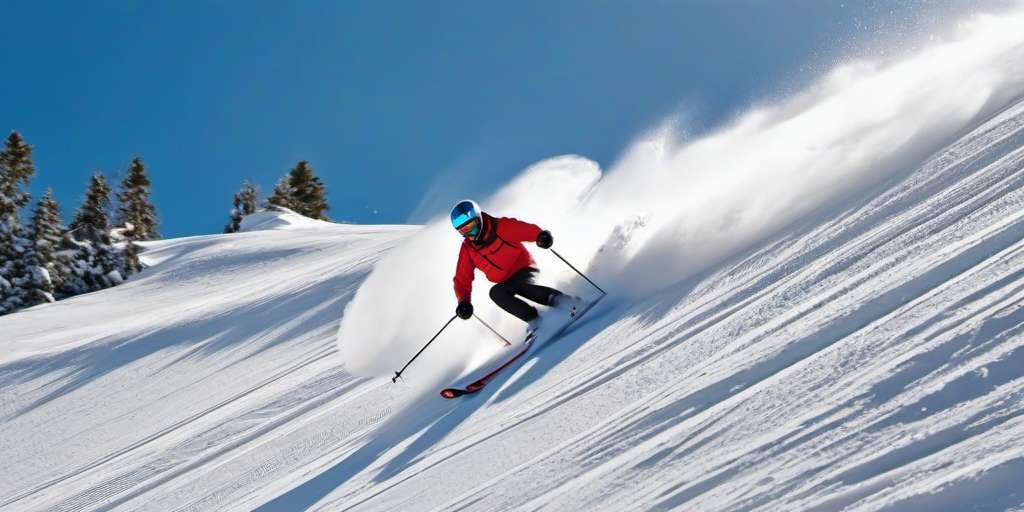
Basic parallel skiing is the stage when you start linking turns with your skis parallel, without opening into a wedge at every change of direction. Work on the transition gradually. Forcing your feet together cannot replace balance and control over your line.
If you ski in a wedge and see others turning with parallel skis, it can be tempting to copy their stance. First ask yourself whether you can change direction and regulate your speed on the terrain where you plan to practise.
What to be comfortable with first
Start from a point where you can stop, link beginner turns and follow an instruction without losing control. These skills help you choose an exercise you can practise without having to ski faster each time.
An instructor can decide whether to practise a short parallel section, the transition within a turn or an earlier exercise. In a private technique lesson, they make that choice by watching you ski, regardless of how many days you have spent at the resort.
| Stage | What to focus on | What to avoid |
|---|---|---|
| Wedge turns | Control direction and speed using a familiar beginner stance | Moving on before you have control |
| Transition to parallel | Coordinate steering and pressure without forcing your feet | Jerking the skis together |
| First parallel turns | Repeat comfortable turns and be able to stop | Looking for a steeper slope to gain speed |
| Refining parallel turns | Improve transitions, rhythm and adaptability | Measuring improvement by speed |
How to work on the transition
On suitable terrain, start noticing when both skis point in roughly the same direction and glide without a constant wedge. The exercise will depend on how you turn. People progress through different sequences.
The ski on the outside of the turn provides important support. Allow pressure to build without throwing your weight onto it or lifting the other ski to prove a point. You should be able to keep moving and prepare for the next turn.
Leave room between parallel skis
Keep a gap that helps you balance. Forcing your boots to touch can distract you from the skills you need to control. If one tip crosses or one tail slips out, tell your instructor when it happens so they can look for the cause.
How to practise without a sudden jump in difficulty
Choose a suitable run with your instructor and repeat short sections you can already manage. Check that you can turn both ways and stop where you choose. Changes in snow, visibility or available space may mean you need to simplify the exercise again.
Using a wedge at a particular moment is still an option as you progress. Use the movements you can control to stay on your line.
When to move on
Once you can consistently link parallel turns on suitable terrain, work on more precise pressure and transitions. That is the focus of our guide to refining parallel turns. You can build those skills before moving on to carving.
If you are travelling together, each person may be ready for a different exercise, even if one person has started skiing parallel. Planning lessons for your group should account for those differences. The PSIA-AASI fundamentals explain how pressure, edging and steering relate to balance.
Frequently asked questions
What is basic parallel skiing?
It is the early stage of parallel turns, when you learn to link them with control without relying on a wedge at every change of direction.
Should I bring my skis together suddenly?
No. Let the transition come from coordinated movements and pressure, without pulling your feet together.
Do I need more speed to ski parallel?
Do not gain speed on your own to force the transition. Choose terrain and exercises that let you stay in control and stop.
Is it a bad thing to use the wedge again?
A wedge can be useful while you are learning. Keep control and understand which skill you need to work on.