
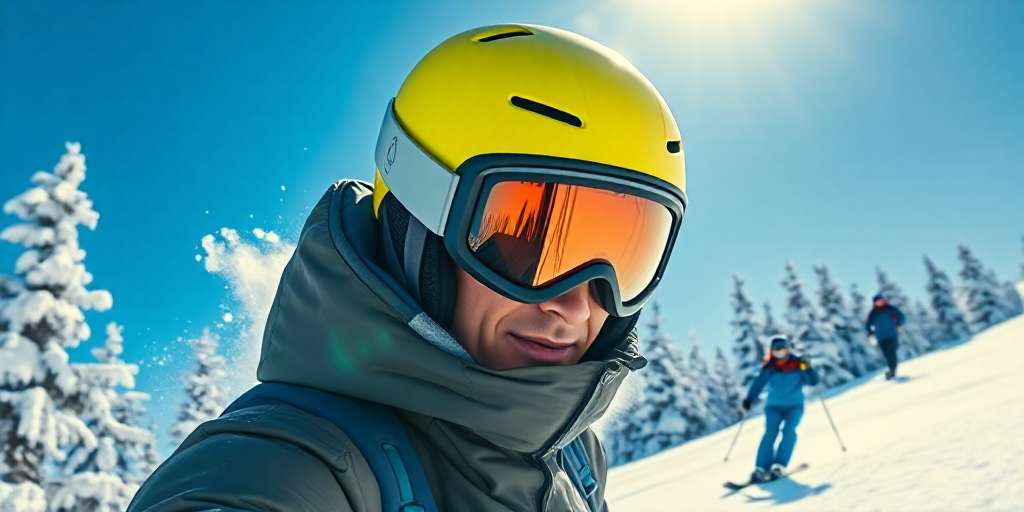
Spain has no general requirement for every skier to wear a helmet on every run, but a ski school, activity or venue may require one under its own rules. Wear a properly fitted helmet designed for skiing or snowboarding, even on an easy run.
For lessons in Baqueira, confirm the requirements with the school and check the rules for the area where you will ski. Follow any specific rules that apply to your activity.
What Spanish sources say
ATUDEM explains that helmets are generally optional and recommends wearing one. Its operating regulations give member resorts a framework for how they operate.
Children’s lessons, training, competitions and designated areas may have their own requirements. Check the rules for your booking and resort directly.
| Situation | What to confirm |
|---|---|
| Recreational skiing in Spain | Resort rules and activity conditions |
| Lesson with an instructor | Ski school requirements, especially for children |
| Training or competition | Organiser rules and required equipment |
| Snow park or other designated area | Signs and rules for access and use |
| Travel outside Spain | Current national legislation and local rules |
Check the rules again if you travel outside Spain
Helmet rules vary across Europe. In 2025, for example, Italy extended mandatory helmet use to downhill skiers and snowboarders of all ages. The amendment to Article 17 appears in the Italian Official Gazette.
A guide that still says helmets are compulsory only for children in Italy may be out of date. Check the rules for your destination before travelling, since the rules in Spain or Italy may differ from those elsewhere.
What protection a helmet offers
A helmet provides protection, but a collision can still cause injury. Keep your speed under control and choose terrain that suits your ability.
The AAOS recommends a helmet designed for skiing, suitable equipment and runs appropriate to your ability. Use a helmet designed for skiing or snowboarding on the slopes.
How to check the fit
Try the helmet on with the goggles you plan to wear. Follow the manufacturer’s fitting instructions. The helmet should sit securely without excessive movement or uncomfortable pressure points. Ask the shop for help if you are unsure about the size or fastening.
After an impact, follow the manufacturer’s instructions for inspection or replacement. Damage can be invisible. Avoid buying a used helmet if you do not know its history.
Get children and beginners fitted before arriving
When arranging children’s lessons in Baqueira, ask what equipment each child needs and check the fit before the lesson. Try any borrowed helmet with the goggles ahead of time to make sure it fits both the child and the goggles.
For a beginner lesson with an instructor, get your equipment ready and raise any questions before you start. Protective equipment and instruction go hand in hand with managing your speed, choosing suitable terrain and watching for others.
Regulatory information in the original article was reviewed on 28 October 2026. Before travelling, check for changes and confirm the requirements for your activity.
Frequently asked questions
Is it compulsory to wear a ski helmet in Spain?
There is no general requirement for every skier on every run. Follow any specific rules set by the ski school, activity, competition or venue.
Should children wear a helmet even where there is no general requirement?
Yes. Choose a properly fitted helmet designed for skiing or snowboarding, and confirm the school or activity requirements.
Can I ski in a bicycle helmet?
Use a helmet specifically designed for skiing or snowboarding and follow the manufacturer’s instructions on sizing, fit and use.
Are helmet rules the same in every country?
Rules vary by destination and can change. Check official sources before travelling and confirm the rules for your activity.